The Biological Recording Company
Providing biological recording guidance, science engagement, earthworm consultancy and training for naturalists & environmental professionals.
Get skilled up this winter
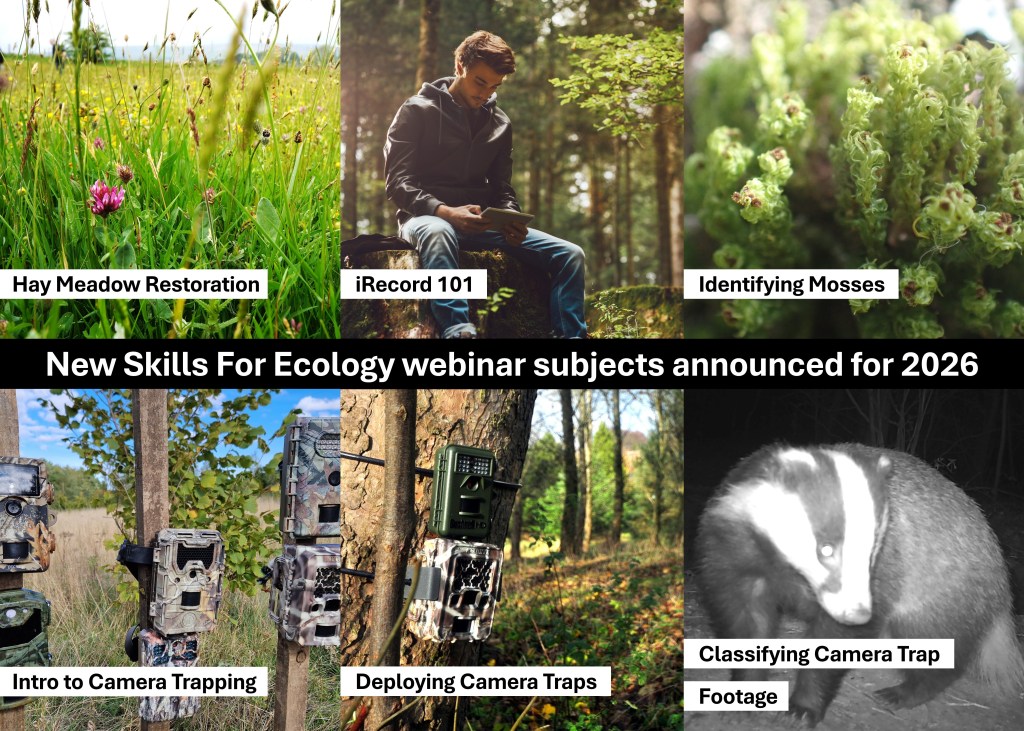
Our Skills For Ecology webinars and online courses tackle subjects surrounding field and tech skills for ecological surveys and conservation work – all for just £12.50 per 90-minute webinar. We’ve started announcing webinars from the 2026 programme, so check out our Eventbrite listings for upcoming webinars on moss identification, hay meadow restoration, camera trapping, using iRecord and more!
Upcoming virtual symposiums
Our virtual symposium and ecoTECH events are aimed at environmental professionals and provide a platform for sector professionals to present topical subjects and share good practices. Click on the event images below for more information.
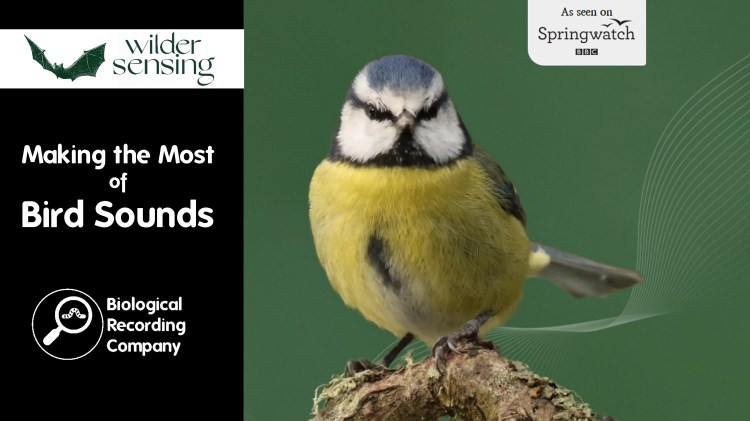
Making the Most of Bird Sounds
Wed 11 Mar 2026 | 10:30-12:00 | Free
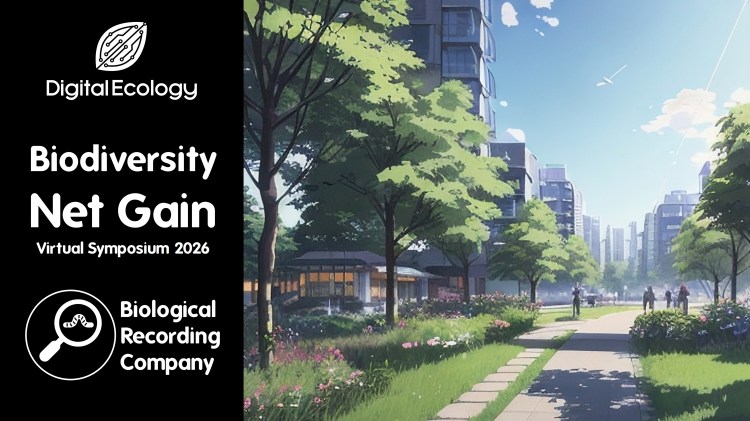
Biodiversity Net Gain Virtual Symposium 2026
Wed 18 Mar 2026| 10:00 – 13:00 | £30
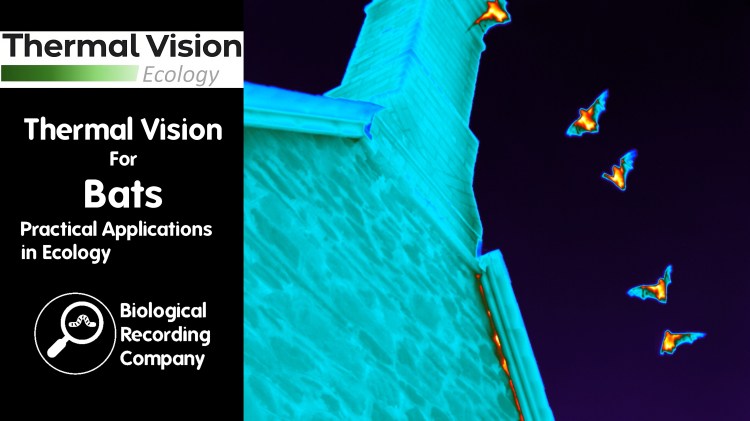
Thermal Vision for Bats
Wed 25 Mar 2026 | 10:30-12:00 | Free
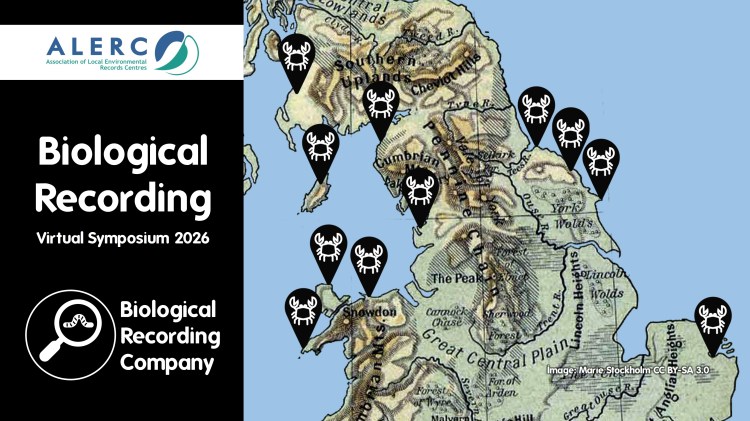
Biological Recording Virtual Symposium 2026
Wed 15 Apr 2026| 10:00 – 13:00 | £1.20 – £30
Training & Engagement Webinars
Online learning is a great means of learning regardless of where in the country you are. The Biological Recording Company hosts webinars that bring natural history and ecology specialists to your home (or wherever you choose to join us from)!
Our webinars started with the hugely successful entoLIVE webinar programme and has now diversified into the various programmes listed below (click on the images to learn more). Watch this space for even more virtual learning opportunities coming soon!

Free webinars with guest invertebrate scientists discussing their research.

Educational webinars exploring the UK species within various invertebrate groups.

Free webinars with guest marine biologists discussing their research.
Training webinars tackling subjects surrounding field and/or tech skills for ecological surveys.
Blogs
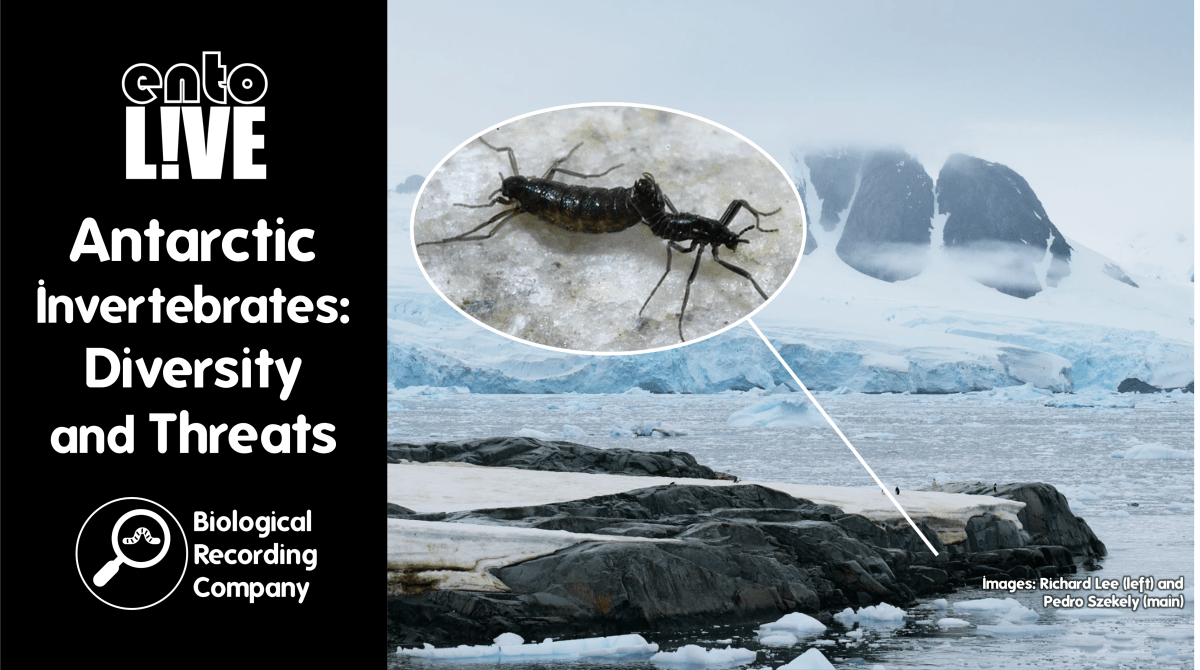
Antarctic Invertebrates: Diversity and Threats
Antarctica’s terrestrial biodiversity is restricted to tiny islands of ice-free habitat surrounded by vast expanses of inhospitable ice or ocean. Today it is dominated by microarthropods and other microinvertebrates, although that has not always been the case. Antarctica’s largest invertebrates are two chironomid midges and a small number of freshwater crustaceans Evolution in isolation, long-term…
Read the full blog post
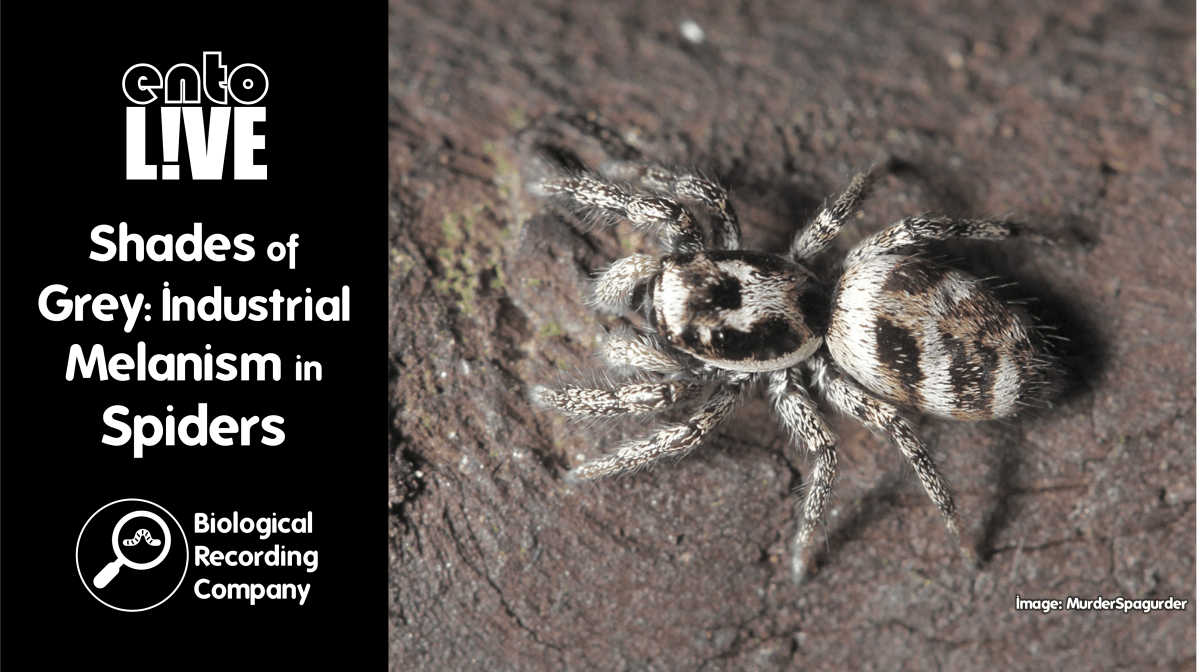
Shades of Grey: Industrial Melanism in Spiders
Industrial melanism refers to the phenomenon whereby some invertebrates evolved dark (melanic) forms in response to the darkening by soot of their resting surfaces during the Industrial Revolution. This response provided a clear example of Darwin’s ‘evolution by natural selection’ and was particularly well studies in moths. In this webinar Geoff will reappraise three claimed…
Read the full blog post
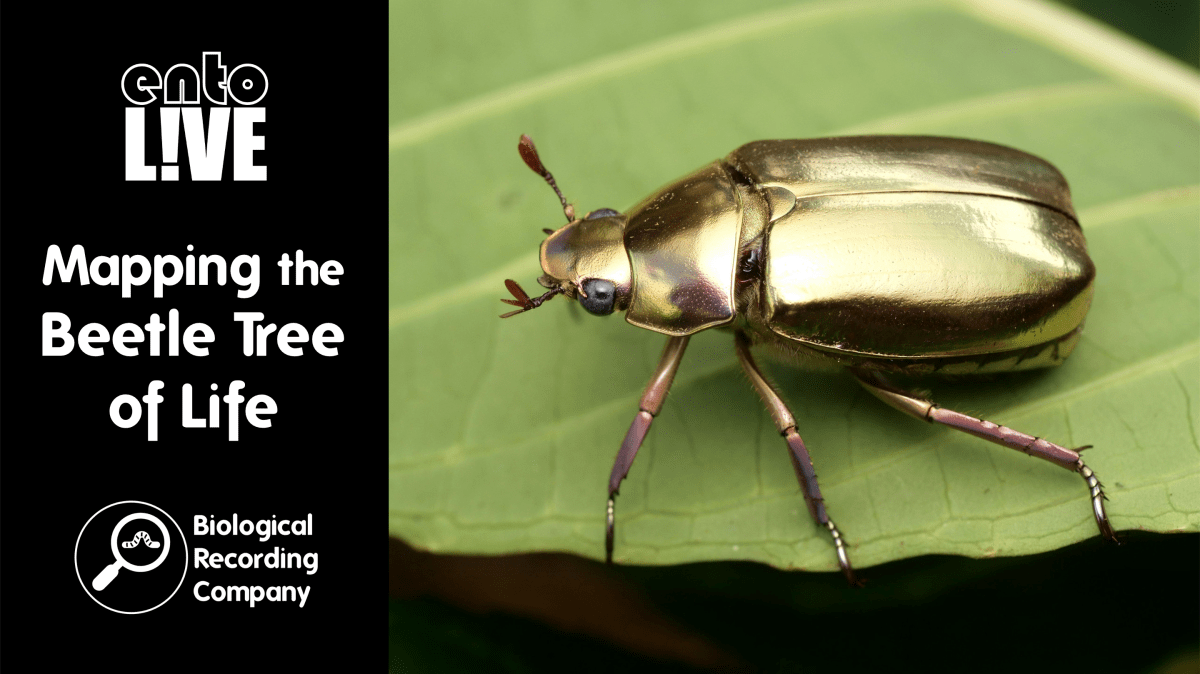
Mapping the Beetle Tree of Life
With over 400,000 described species, Coleoptera represent one of the most diverse groups of organisms on Earth, necessitating a global, integrative approach to understanding their evolutionary history. This effort begins with standardized field collection, specimen imaging, and identification, followed by high-quality DNA extraction. By combining genomic, mitochondrial, and barcode data, we are building the most…
Read the full blog post
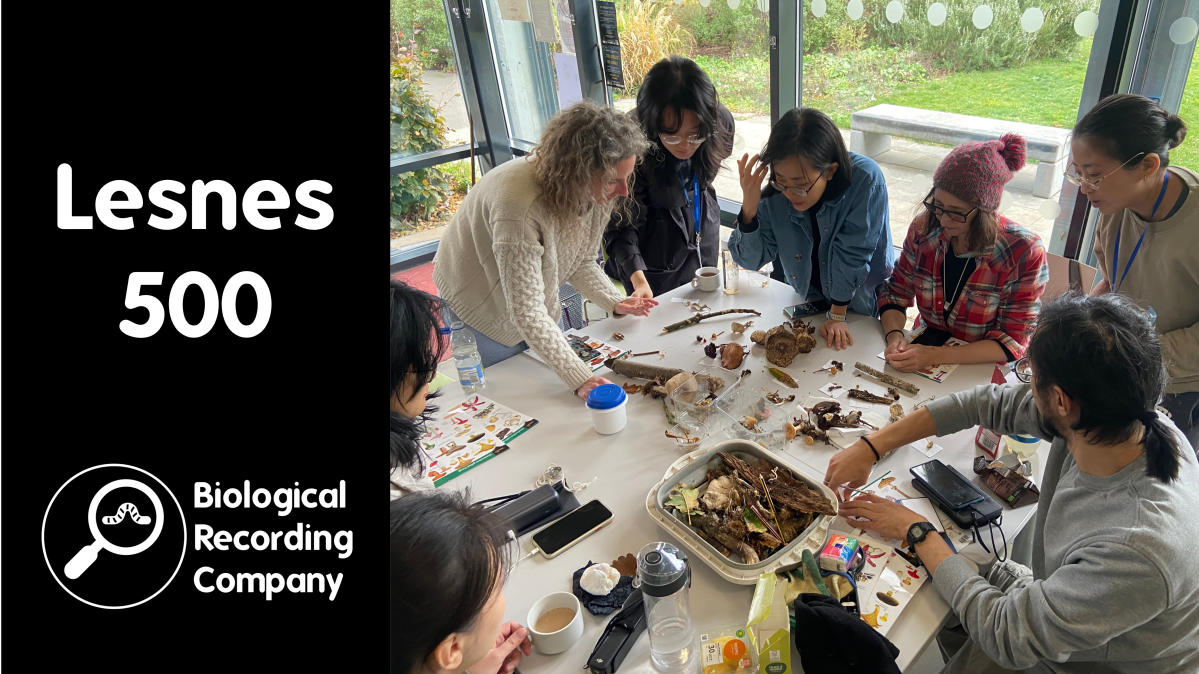
Lesnes 500
During 2025 and 2026, the Biological Recording Company is collaborating with the London Borough of Bexley to deliver a series of Field Recorder Days at Lesnes Abbey Woods, a large woodland in south London famous for its ruined abbey. These Field Recorder Days have been commissioned as part of Lesnes 500, a large-scale project made…
Read the full blog post
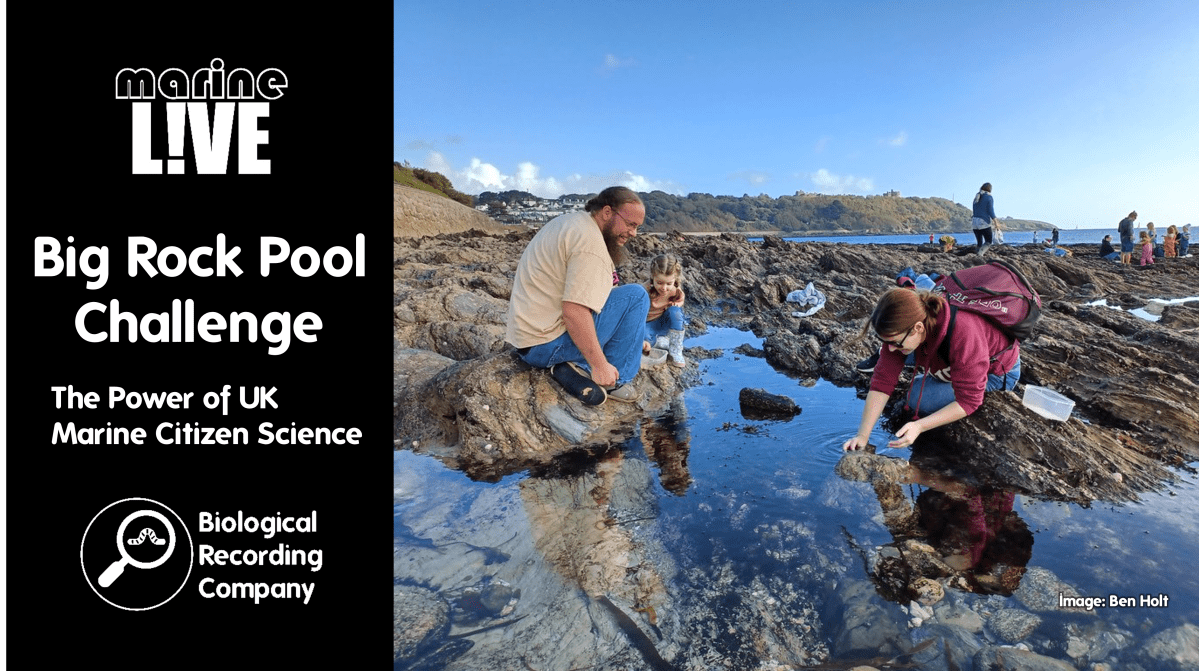
Big Rock Pool Challenge: The Power of UK Marine Citizen Science
The Big Rock Pool Challenge is a nationwide citizen science initiative that invites people of all ages to explore their local coastlines and discover the remarkable wildlife hidden in rock pools. In this talk, Dr Ben Holt (CEO and co-founder of The Rock Pool Project) shares how the challenge blends hands-on marine exploration with digital…
Read the full blog post
 Biological Recording